

Bed bug shells, also known as casings or exoskeletons, are a common sign of bed bug infestations. These outer coverings are shed by bed bugs as they grow and develop through their different life stages. Identifying and understanding the appearance of bed bug shells can help individuals detect the presence of these pests in their homes, allowing for timely intervention and treatment.

The size of a bed bug shell can vary, ranging from 1/16 inch to 3/8 inches long, depending on the age of the bug. In their early stages, bed bug nymphs may appear to have slightly softer shells but, overall, their exoskeletons are still relatively hard. It is essential to recognize the difference between live bed bugs and their shed skins, as this can be crucial for determining the extent of an infestation and planning appropriate control measures.
Apart from their size and hardness, bed bug shells can be identified by their color, which typically ranges from pale yellow to dark brown. Being vigilant about checking hiding and harborage areas such as mattresses, bed frames, and cracks or crevices can greatly increase the chances of discovering bed bug shells and addressing infestations early on.
Understanding Bed Bugs
Life Cycle of Bed Bugs
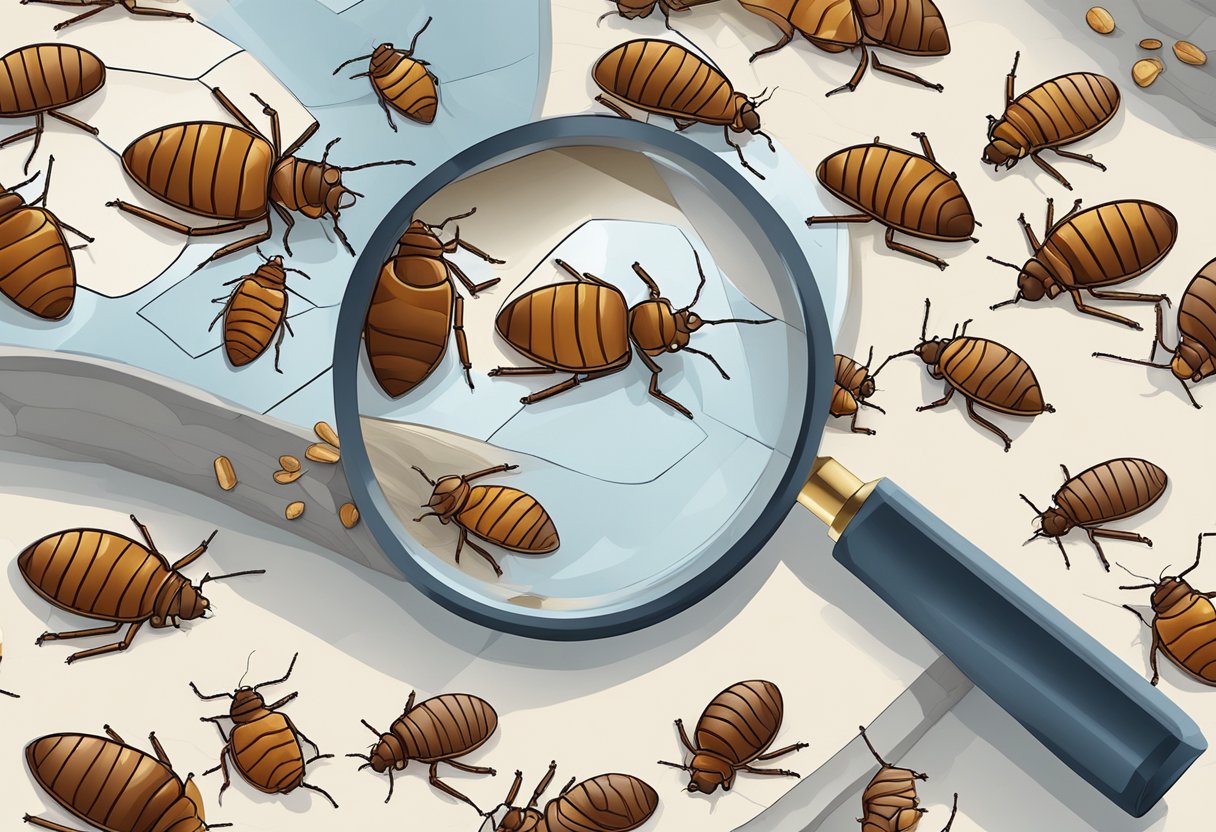
The life cycle of bed bugs involves multiple stages, from eggs to adults. Female bed bugs lay eggs which hatch into nymphs. Nymphs go through five stages, each requiring a blood meal before shedding their exoskeleton to grow. The process of shedding is known as molting. After molting five times, nymphs become adult bed bugs. The entire life cycle of a bed bug, from egg to adult, typically takes around 2 months.
The life stages of bed bugs are as follows:
- Egg: 1-2 weeks
- Nymph stage 1: 2-3 weeks
- Nymph stage 2: 2-3 weeks
- Nymph stage 3: 2-3 weeks
- Nymph stage 4: 2-3 weeks
- Nymph stage 5: 2-3 weeks
- Adult: 4-6 months
Physical Characteristics
Cimex lectularius is the scientific name for bed bugs, which are small, flat, and oval-shaped parasites. Nymphs are translucent, while adult bed bugs have a reddish-brown color. The size of a bed bug ranges from 1 mm for nymphs to 5-7 mm for adults. These insects have a rigid exoskeleton that they must shed periodically to grow.
Behavior and Habitats
Bed bugs are parasites that rely on blood meals for nourishment. They are attracted to the warmth and carbon dioxide emitted by humans, which is why they typically infest living spaces, such as bedrooms. They are nocturnal creatures, feeding on hosts as they sleep.
Their habitats mainly include small cracks and crevices in furniture, such as beds, headboards, and nightstands. These hiding spots provide a safe and secure environment for them to rest and lay eggs. The presence of bed bug shells could indicate an infestation, as these shells are a result of the molting process.
In conclusion, it is essential to have a clear understanding of bed bugs’ life cycle, physical characteristics, behaviors, and habitats to effectively identify and control an infestation.
Identifying Bed Bug Shells
Appearance of Shed Skins
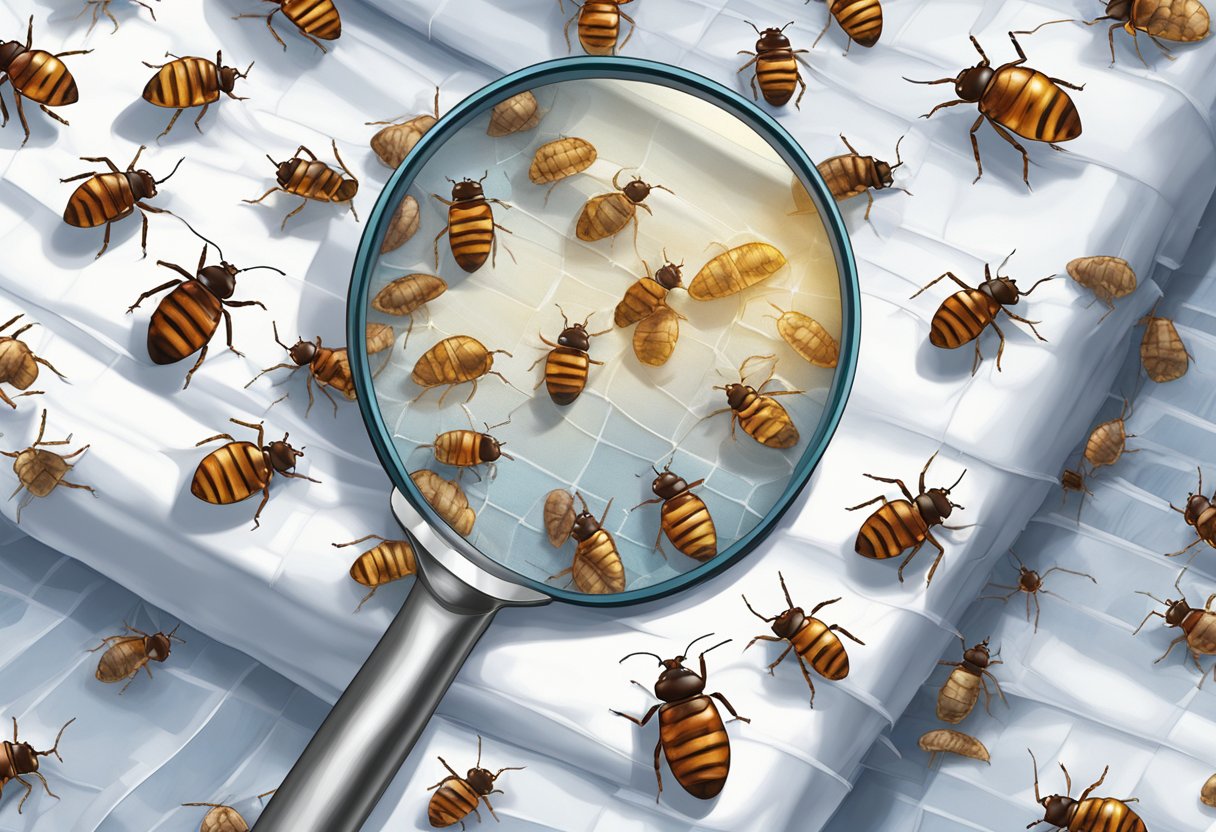
Bed bug shells, also known as shed skins, are the exoskeletons that bed bugs leave behind when they molt to a new growth stage. They look very similar to live bed bugs in size and shape, but their color is a light tan or straw color. Bed bug shells vary in size, typically ranging from 1mm to 5mm, depending on the stage of life the bed bug is in. The presence of these shed skins can be a key indicator of a bed bug infestation.
Common Locations for Shells
Bed bug shells can be found in various harborage areas within your home or establishment. Some common locations for finding these shed exoskeletons include:
- Mattresses and box springs: Check along the edges and seams, as well as on the underside of the mattress.
- Furniture: Inspect the crevices, seams, and corners of upholstered furniture, as well as the joints of wooden furniture.
- Carpet: Look for any shells that might be hidden in the fibers, particularly near walls and furniture.
- Wallpaper: Examine the edges and seams where bed bugs might hide and shed their skins.
When searching for bed bug shells, it’s essential to use a bright light and take your time to thoroughly inspect potential harborage areas. By identifying and addressing the presence of bed bug shells, you can take the necessary steps to eliminate the infestation and create a more safe and healthy environment.
Signs of Infestation
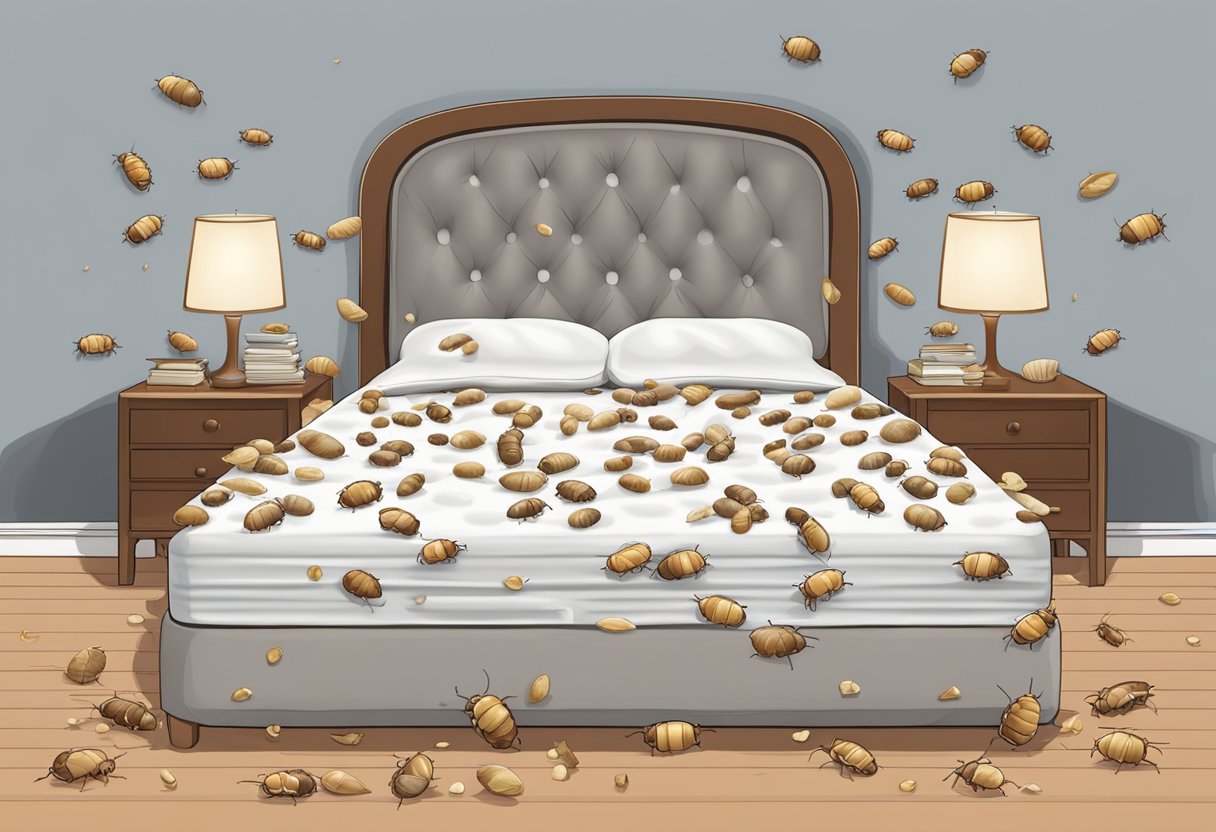
A bed bug infestation can cause significant discomfort and distress to those affected. It is crucial to identify the signs of an infestation early on to take appropriate measures. Here are some common indicators of bed bug presence in your home:
Dark spots and droppings: One of the first signs of a bed bug infestation is the presence of small, dark fecal spots on your bedding, mattress seams, and surrounding areas. These dark spots are bed bug droppings, caused by the bugs digesting their blood meal.
Bed bug casings: As bed bugs grow and develop, they shed their outer skin or exoskeleton, leaving behind translucent shells which can be found near their hiding places. These casings are a strong indication of an active infestation.
Physical bites: Bed bug bites are another sign of an infestation. Although some people may not experience any reaction, others may develop an itchy rash or welts at the bite site. These bites usually appear in clusters or lines on the skin, often on exposed areas of the body during sleep, such as arms, legs, and neck.
To help visualize these signs, here is a summary table:
| Indicator | Description |
|---|---|
| Dark spots | Small, dark fecal spots left by bed bugs |
| Casings | Translucent, hollow shells from shed bed bug exoskeletons |
| Bites and skin reactions | Itchy rash or welts caused by bed bug bites |
Keep in mind that while these signs are strong indicators of a bed bug infestation, they could also be indicative of other pests. It is essential to consult with a professional pest control expert for proper identification and treatment.
Growth and Development
Molting Process
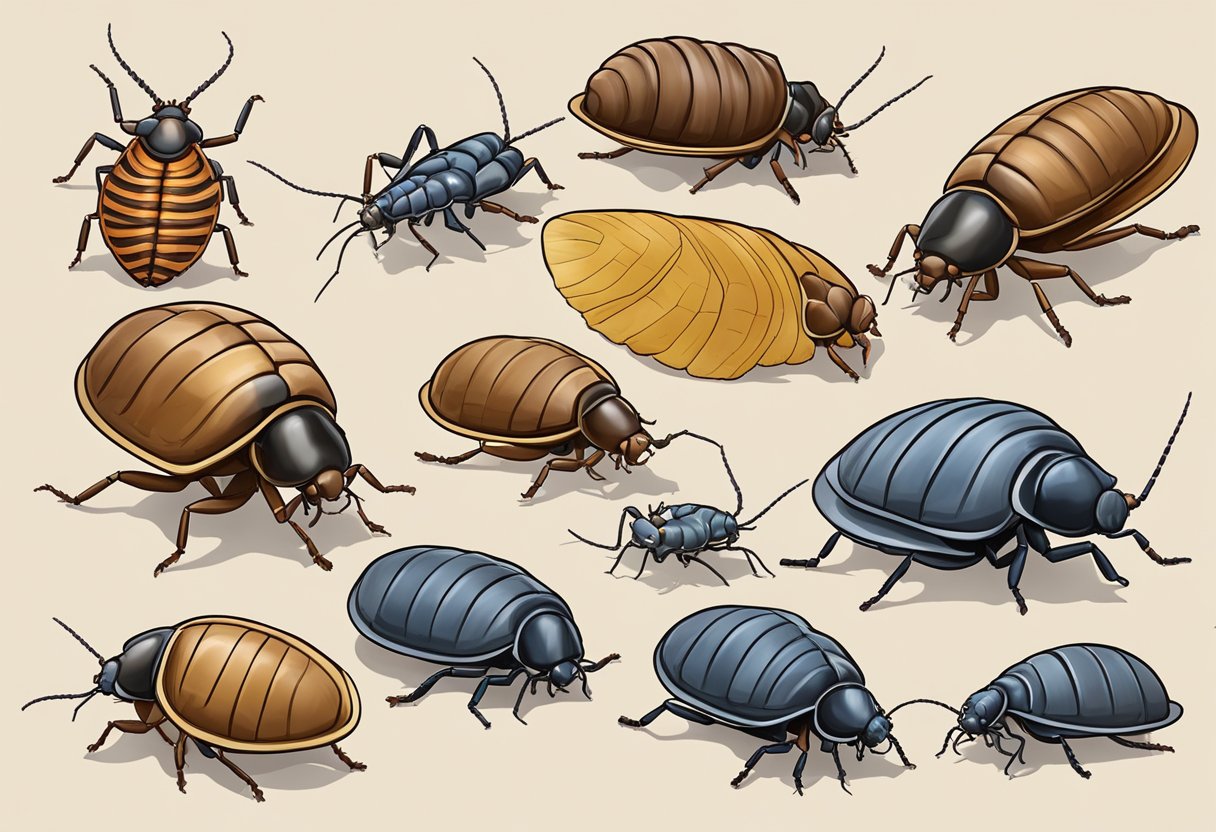
The molting process is an essential part of bed bug growth and development. All insects, including bed bugs, have a rigid exoskeleton that they outgrow as they mature, necessitating molting, or shedding their external layer 1. When a bed bug molts, it leaves behind a shed skin, also known as a shell or casing 2.
During the molting process, bed bugs transition through several life stages, known as instars. As they molt, their outer shell separates, revealing a softer and larger shell that later hardens 2. This new shell may have a slightly different shape or color2.
Hatching and Nymph Growth
Bed bug nymphs are the immature life stage of the insect, hatching from eggs 3. These nymphs are about 1mm in size and are nearly transparent, making them difficult to spot3. Bed bug nymphs must feed on a blood meal to progress through each of the five instars before reaching full maturity 3.
As nymphs molt into their next instar, the size of their bodies increases, with their exoskeletons shedding and enlarging over time. The various stages of bed bug nymphs can measure anywhere from 1.5 to 4.5 millimeters in size3.
| Instar | Nymph Size (mm) |
|---|---|
| 1st | 1.5 |
| 2nd | 2 |
| 3rd | 2.5 |
| 4th | 3 |
| 5th | 4.5 |
Between the hatching of nymphs from eggs and their eventual maturity to adult bed bugs, the empty, shed skins of bed bug nymphs are common indicators of an infestation4. Monitoring for such signs is crucial in the early detection and control of bed bug populations.
Footnotes
Control and Prevention
Preventing Infestations
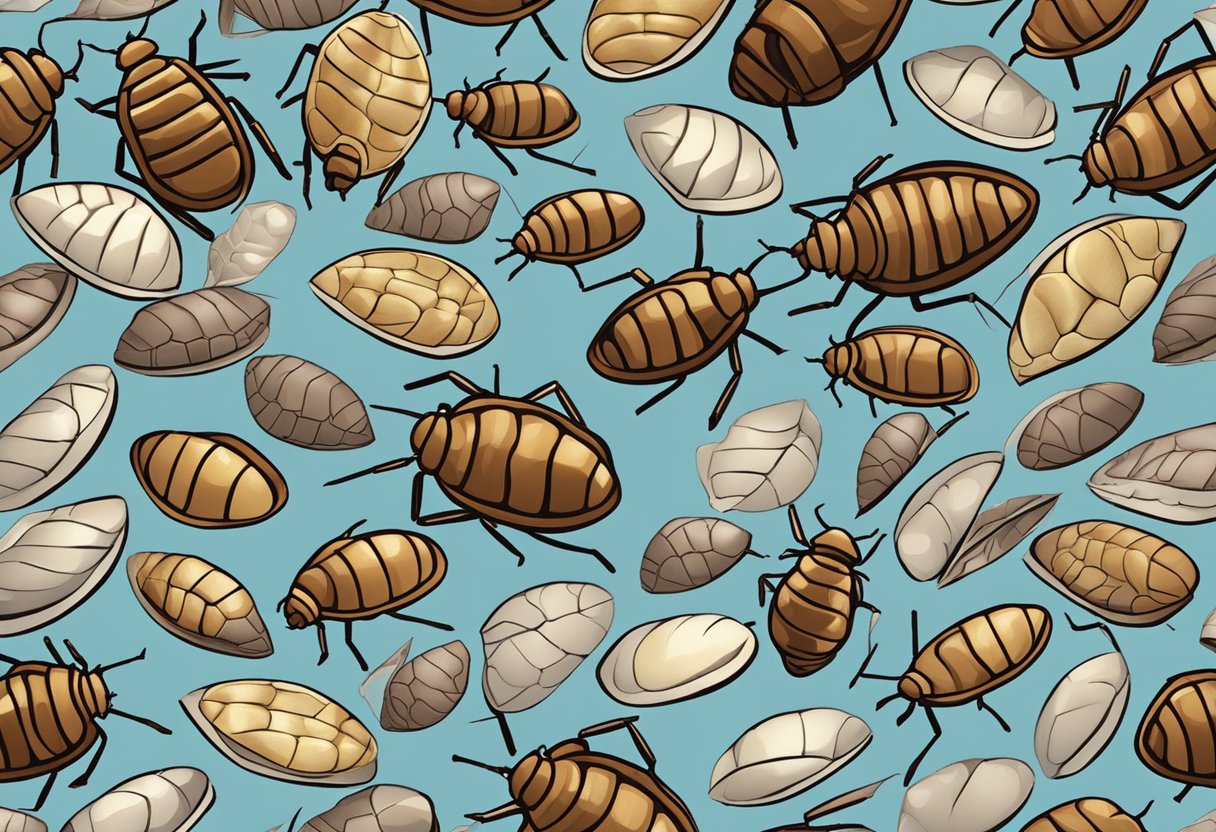
Preventing bed bug infestations is crucial to avoid the stress and hassle of dealing with these pests. Keep an eye out for signs of bed bugs, such as exoskeletons (shells), small brown fecal spots, and tiny blood stains on linens. Bed bugs are known to hide in small crevices, furniture, mattresses, electronics, and even clothes, so regular inspection is essential.
To decrease the risk of infestations:
- Maintain a clean living space and vacuum frequently, paying close attention to the corners, edges, and seams of the room.
- Avoid bringing second-hand furniture or mattresses into your home without thoroughly inspecting them for signs of bed bugs.
- Use a bed bug detector to identify the presence of these pests early on.
- Employ a protective mattress encasement.
Treatment Options
If you find yourself dealing with a bed bug infestation, there are several treatment options available:
- Heat treatment: Bed bugs cannot survive high temperatures. Steam cleaning is an effective method to kill these pests on contact. Washing and drying clothes, bedding, and curtains at the highest temperature settings recommended by the manufacturer can also help eliminate them.
- Pest control: Professional pest control services have access to various tools and techniques (e.g., fumigation) to eradicate bed bugs effectively. They can also provide guidance on preventing re-infestation.
- Natural predators: Though not commonly used, some insects, such as the masked bed bug hunter, can help control small infestations. However, introducing another insect species to your home should be done with caution and proper research.
- Alcohol: Isopropyl alcohol can be an effective solution to kill bed bugs, but it must come in direct contact with the insects to work. Be careful when using alcohol, as it is flammable.
- Sealing off entry points: To prevent re-infestation, thoroughly inspect and seal off any potential entry points, such as cracks or gaps in walls and floors.
Remember that early detection is key in controlling bed bug infestations. Regular inspections and timely intervention can save time, money, and stress in effectively getting rid of bed bugs.
Professional and DIY Solutions
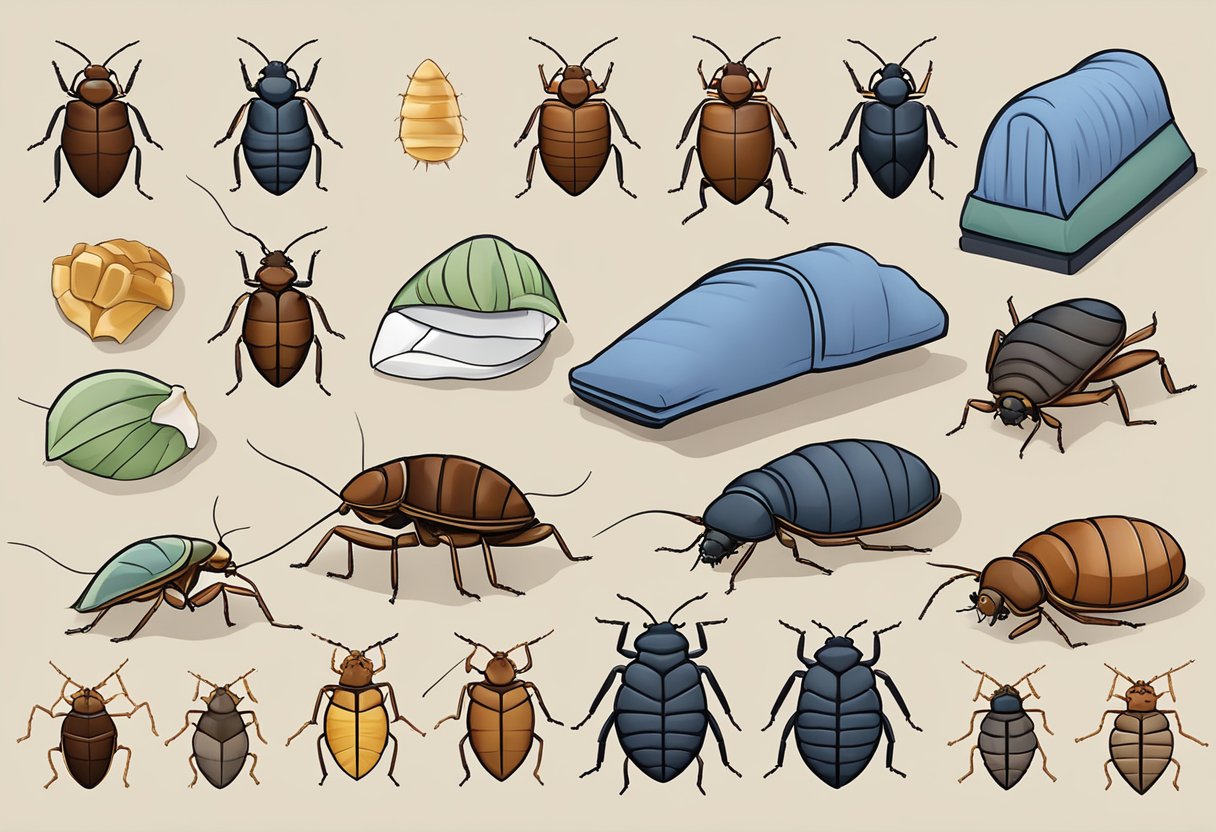
When dealing with a bed bug infestation, it is important to consider both professional and DIY solutions. These approaches can help control the population and ultimately get rid of bed bug infestations.
Pest Control Methods
One of the most effective ways to deal with bed bug infestations is to hire professional pest control companies. They are equipped with the appropriate tools and knowledge to eradicate the infestation. Professionals often use chemicals or heat treatments, which can cost around $200 per room. Keep in mind that heavily infested areas may need multiple treatments for full clearance.
On the other hand, implementing preventive measures can help control bed bug populations. Some of these include:
- Regularly inspecting beds, furniture, box springs, and luggage for signs of bed bugs
- Using bed bug-proof mattress and pillow covers
- Washing and drying clothes at high temperatures
Home Remedies
In addition to professional pest control, there are several DIY solutions that can help manage a bed bug infestation. While these methods may not completely eradicate the infestation, they can help control the population and reduce the number of bed bugs. Some home remedies include:
- Diatomaceous earth: This natural powder can be applied to affected areas to damage the exoskeletons of bed bugs, causing them to dehydrate and die.
- Vacuuming: Regularly vacuuming your home, focusing on areas where bed bugs are likely to hide, can help reduce their population.
- Steam cleaning: High temperatures produced by steam cleaners can kill bed bugs and their eggs on contact.
- Washing and drying: Laundering clothes, bedding, and other fabrics at high temperatures can kill any bed bugs present, preventing their spread and growth.
Remember, it is crucial to act promptly when signs of bed bugs are detected. Employing a combination of professional and DIY solutions can help control and eventually clear the infestation.
Health and Safety Considerations
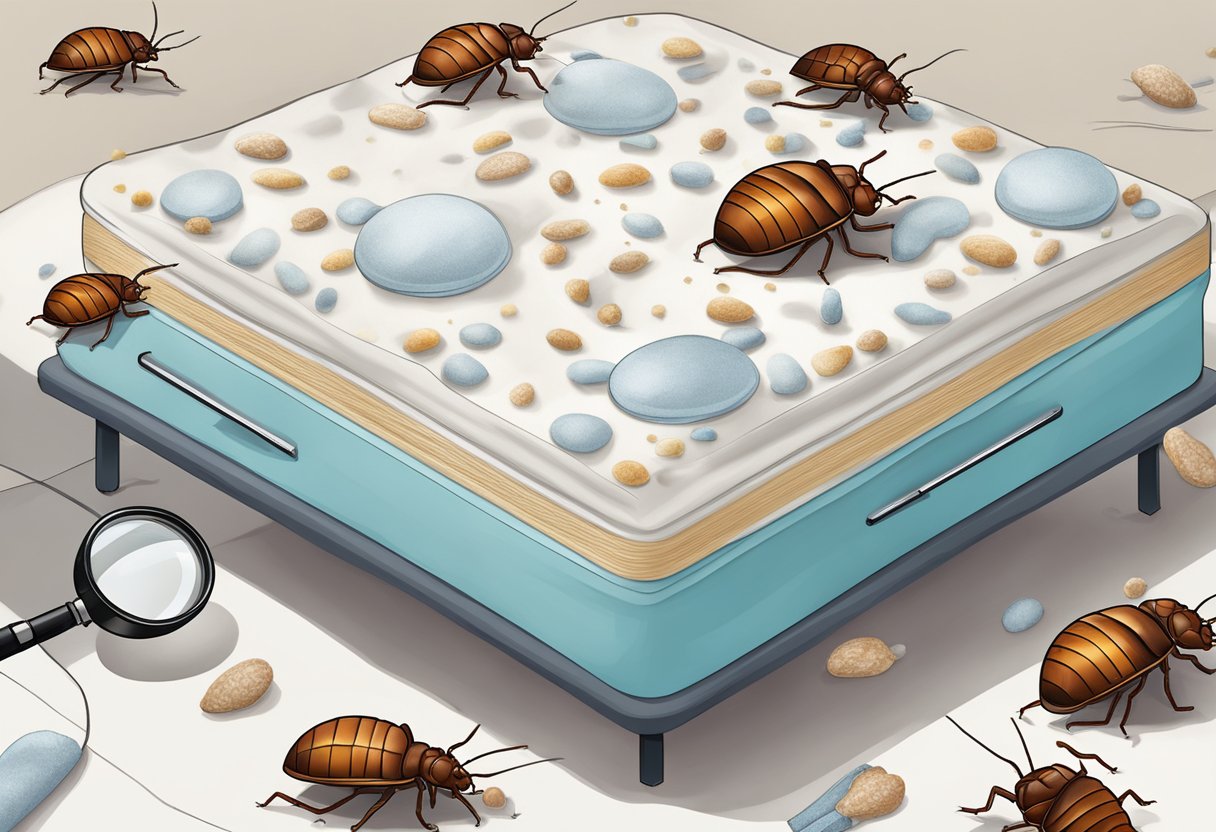
When dealing with bed bug infestations, it is essential to consider the health and safety aspects related to their presence. Bed bugs are small insects that feed on human blood, and their bites can lead to various health issues. This section will discuss some of the potential health risks and provide guidance on preventing and managing bed bug related problems.
Bed Bug Bites
Bed bugs typically bite people where the exposed skin is most accessible, such as the arms, legs, and neck. These bites are painless, but they can cause discomfort and skin irritation. Some individuals may develop a rash or experience itching and redness in the affected areas. It is essential not to scratch the bites, as this can lead to further irritation and even infection.
Allergies
In some cases, people may experience allergies to bed bug bites. Symptoms can be severe, including difficulty breathing, swelling of the throat, and rapid heartbeat. If any of these symptoms occur, seek medical attention immediately.
Health Risks
While bed bugs do not transmit diseases, their presence can still pose significant health risks. Prolonged exposure to bed bug infestations can lead to mental health issues, such as anxiety and insomnia, as well as physical health problems like anemia due to blood loss.
Prevention and Management
To minimize the health risks associated with bed bugs, it is essential to practice proper prevention and management techniques. Some helpful measures include:
- Regularly inspecting your living spaces for signs of bed bugs, such as shells, casings, and fecal stains.
- Washing and drying linens on high heat settings to kill any bed bugs and their eggs.
- Sealing any cracks and crevices in walls or furniture to eliminate hiding places.
- Using a vacuum cleaner to remove bed bugs and their eggs from surfaces.
- If an infestation is detected, seek professional assistance from a pest control expert to exterminate the bed bugs effectively.
By being aware of the potential health risks associated with bed bug infestations, you can take the necessary steps to protect yourself and your loved ones from these pesky insects.
Frequently Asked Questions
How can one distinguish bed bug shells from similar-looking insects?
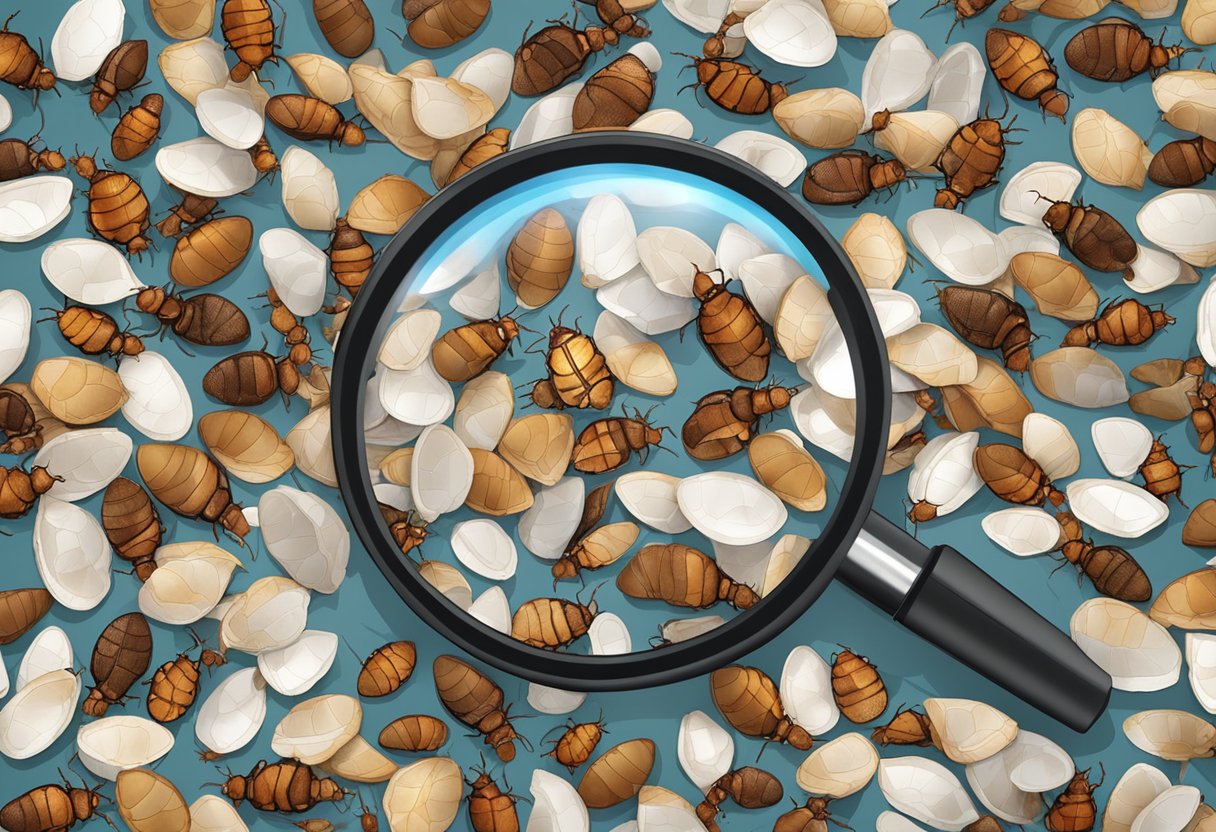
Distinguishing bed bug shells from other insects’ exoskeletons might be challenging due to their small size. However, bed bug casings are typically translucent and range between light brown to almost colorless. One way to identify them is by examining their oval and flattened shape, which resembles an apple seed. Additionally, the presence of other bed bug signs, such as fecal spots and eggs, can help confirm a bed bug infestation.
What type of spray is effective against bed bugs?
There are several bed bug sprays on the market, with active ingredients ranging from natural oils like eugenol and pyrethrins to chemical compounds such as imidacloprid and neonicotinoids. It is essential to select a spray specifically designed to target bed bugs and follow the manufacturer’s instructions to ensure its effectiveness. It’s important to note that bed bugs might develop resistance to some chemicals, so in severe infestations, it is advisable to consult a professional exterminator.
What are the best traps for catching bed bugs?
There are various types of bed bug traps available, including sticky traps, climb-up interceptors, and CO2 traps. Climb-up interceptors are placed under bed legs, which prevent bed bugs from climbing to the bed through the interceptor’s outer surface. CO2 traps use carbon dioxide to attract bed bugs, luring them into a confined space from which they cannot escape. The choice of trap depends on factors like the infestation level and personal preferences.
What do early signs of bed bug shells indicate?
Early signs of bed bug shells suggest that bed bugs have recently molted and might be present in the vicinity. Young bed bugs, known as nymphs, shed their exoskeletons multiple times as they grow, leaving behind these casings. Discovering bed bug shells is an indication of an active infestation that should be addressed promptly.
Can you describe the appearance and texture of bed bug casings?
Bed bug casings are usually light brown to almost colorless and have a translucent appearance. They are oval, flattened, and similar in shape to an apple seed. The texture of these shed exoskeletons is relatively thin and brittle, which may cause them to crack or break when pressed.
What is the typical size range for bed bug shells?
The size of bed bug shells varies depending on the insect’s life stage. During the first stage, the shells are the smallest, measuring around 1.5 mm. As bed bugs grow and progress through their life stages, their shed casings increase in size. For instance, in the second stage, they measure approximately 2 mm, with the largest shells found during the fifth stage.
